
Tarnished Precious Metals: Are They Still Worth Selling?
That tarnished silver bracelet sitting in your jewelry box hasn’t lost its value. The discolored gold chain from your grandmother’s estate still contains precious metal. At Americash Jewelry & Coin Buyers, we’ve spent over 20 years evaluating tarnished pieces across Westmont and the western Chicago suburbs, and here’s what we want you to know: tarnish only affects the surface, never the core metal content that determines what we pay.
With over 100 years of combined team experience, we’ve evaluated everything from heavily tarnished estate silver tea sets to discolored vintage gold jewelry. The question isn’t whether your tarnished items are worth selling (they are). It’s when you’ll bring them in for a free evaluation.
What Is Tarnish and Why Does It Happen to Precious Metals?
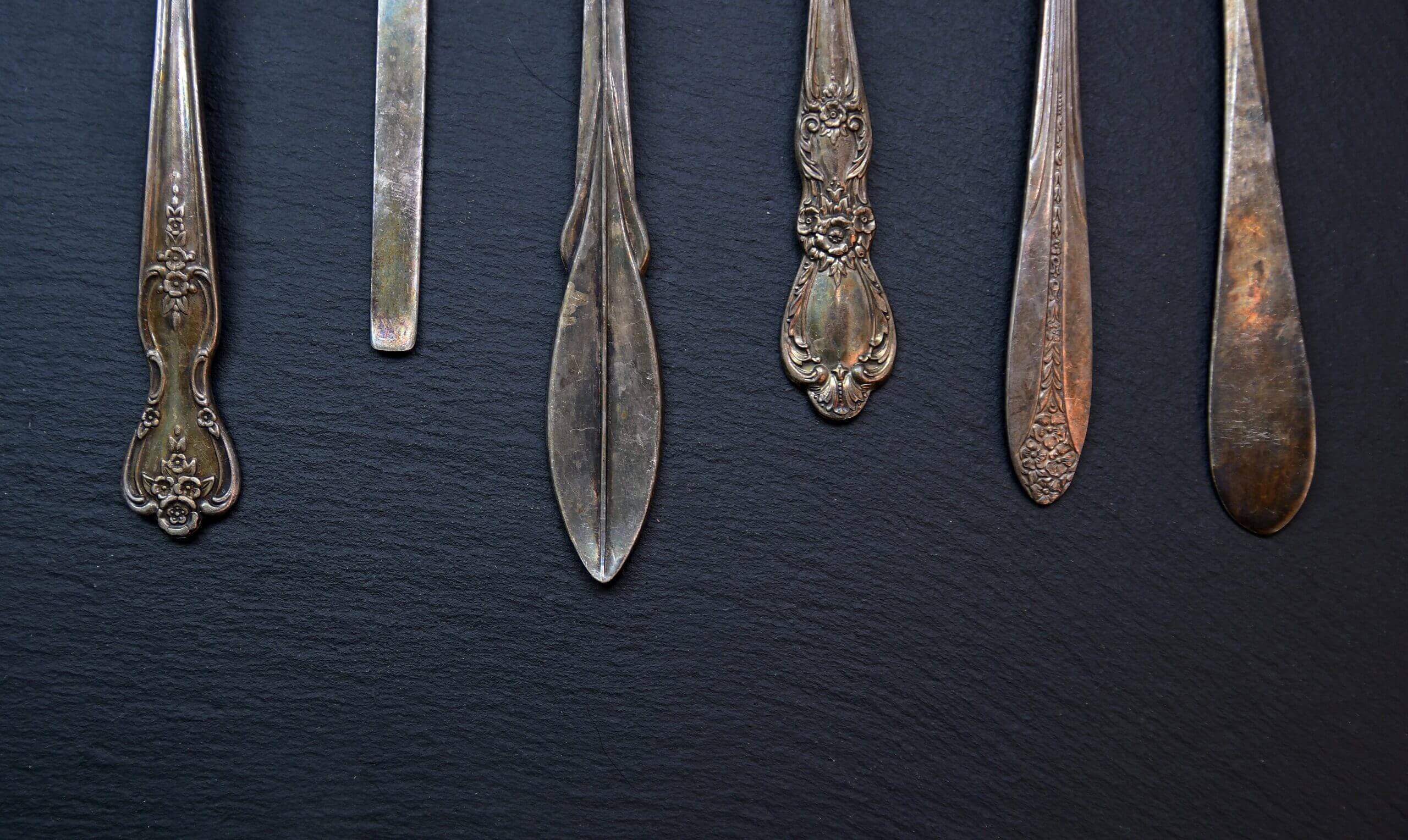
Tarnish is basically a thin layer of corrosion that forms when metal surfaces react with sulfur, oxygen, or moisture in the air around them. This chemical reaction creates discoloration (you’ll usually see black, brown, or greenish tones), but here’s the thing: it doesn’t penetrate beyond the surface. These reactions happen naturally over time, and they speed up when exposed to pollution, sweat, perfumes, lotions, skin oils, chlorine, and poor storage conditions.
Understanding what tarnishing actually is helps explain why professional buyers don’t penalize tarnished items. Silver meets sulfur compounds in the air and forms silver sulfide on the surface. Gold alloys react with elements in sweat and cosmetics. Copper-containing metals oxidize when they encounter humidity. But these reactions only happen at the surface level. Your sterling silver flatware may look dark and dull, but the 92.5% silver content underneath hasn’t changed at all. We evaluate what’s beneath the tarnish, not what’s visible on top.
What Precious Metals Tarnish? A Complete Breakdown
Not every precious metal tarnishes the same way. Some develop heavy corrosion layers within weeks, while others keep their luster for decades. Knowing which metals tarnish helps explain what you’re seeing on your pieces and why professional buyers stay confident in their value.
Silver and Sterling Silver: The Most Tarnish-Prone Precious Metal
Sterling silver wins the tarnish contest among precious metals. Its makeup (92.5% pure silver and 7.5% copper) makes it especially vulnerable to chemical reactions. The copper content speeds up sulfur reactions, creating that characteristic black tarnish that many people associate with old silver jewelry and flatware.
Pure silver tarnishes more slowly than sterling, but it still develops discoloration over time. We see this constantly with silver items from estate sales: inherited tea sets, vintage jewelry collections, and decorative pieces that have darkened considerably over the years. It usually starts as a light yellow color, moves to brown, and finally turns black if nobody treats it. Despite this dramatic color change, the silver content stays completely unchanged beneath that surface layer.
Gold: How Karat Purity Affects Tarnish Resistance
Gold’s tarnish resistance connects directly with its karat purity. Pure 24K gold doesn’t tarnish because gold itself fights off oxidation and sulfur reactions. But most gold jewelry contains alloy metals (silver, copper, zinc, or nickel) that make it more practical for everyday wear while introducing tarnish risks.
Lower-karat gold tarnishes more easily than higher purities. A 10K piece has 41.7% gold and 58.3% alloy metals, while 14K contains 58.3% gold and 41.7% alloy metals. These higher concentrations of reactive metals mean more chances for oxidation and discoloration. We regularly evaluate 10K and 14K items with visible tarnish, especially pieces that were exposed to sweat, chlorine, or cosmetics during regular wear.
Rose gold brings unique tarnishing characteristics regardless of karat. Its distinctive pink color comes from higher copper content in the alloy, and copper oxidizes easily when it meets environmental elements. Rose gold jewelry often shows more discoloration than yellow or white gold pieces, yet this doesn’t reduce the gold content we’re buying. Higher-karat gold (18K and above) shows excellent tarnish resistance, with gold content dominating the makeup and providing natural protection against oxidation.
Platinum and Palladium: Near Tarnish-Free Performance
Platinum and palladium sit on the opposite end of the tarnish spectrum. These noble metals show exceptional resistance to oxidation, keeping their natural white luster even under tough conditions. Platinum’s extreme oxidation resistance comes from its chemical properties. It doesn’t react with sulfur compounds or oxygen in ways that create visible corrosion. Over time, platinum might develop a subtle patina (a slight change in surface texture), but this is fundamentally different from tarnish.
Palladium performs similarly, maintaining its white sheen without the discoloration common to silver or lower-karat gold. Its stability makes it increasingly popular for jewelry, particularly among buyers seeking low-maintenance precious metals.
Common Jewelry Alloys: Copper, Brass, and Bronze
While not precious metals, copper, brass, and bronze show up frequently in jewelry and decorative items. These metals tarnish rapidly and dramatically. Copper develops green patinas from oxidation. Brass and bronze (both copper alloys) create similar corrosion layers that can be brown, green, or black depending on what they’re exposed to. We often see sellers who mistake heavily tarnished brass for gold, or aged bronze for valuable metal. Part of our evaluation process involves identifying composition accurately, no matter what the surface looks like.
Does Tarnish Reduce the Value of Your Precious Metals?
This question drives many sellers’ hesitation about bringing in tarnished items. At Americash Jewelry & Coin Buyers, tarnish doesn’t reduce what we pay because we evaluate intrinsic metal content, not cosmetic condition.
Intrinsic Metal Value vs. Surface Appearance
Professional precious metal buyers focus on three key factors: purity, weight, and hallmarks. These determine intrinsic value (the actual metal content worth current market prices). A tarnished sterling silver tea set contains the same silver weight as a polished one. Discolored 14K gold earrings hold identical gold content to shiny ones.
This distinction matters especially for sellers who’ve discovered tarnished items while cleaning out estates or storage. The vintage fine jewelry your grandmother wore may look unappealing after decades in a jewelry box, but its gold or silver content hasn’t diminished. The coins your father collected may have oxidized surfaces, but their precious metal weight stays the same.
How Professional Buyers Assess Tarnished Pieces
Our evaluation process for tarnished items follows the same steps as pristine pieces. We examine hallmarks to verify purity, test metal content using professional equipment, and calculate weight accurately. Tarnish gets refined away during processing, making it irrelevant in determining what we pay sellers.
Brian “The Cash Man” Hoogeveen explains this regularly on WGN 720: the refining process removes all surface corrosion while preserving the pure metal content. Whether your silver arrives polished or heavily tarnished, it yields the same pure silver after refining. We prefer evaluating items in their current state rather than after sellers attempt cleaning. Original condition lets us assess hallmarks clearly, verify authenticity without worrying about cleaning damage, and provide accurate appraisals based on actual metal content.
Should You Clean Tarnished Items Before Selling?
We actually recommend against cleaning in most cases. DIY cleaning methods carry risks that can permanently damage your items, reducing their value or complicating professional assessment.
Risks of DIY Cleaning Methods
Home cleaning methods often cause more harm than good. Toothpaste contains abrasives that scratch metal surfaces. Baking soda creates similar risks despite being gentler than commercial cleaners. Harsh chemical solutions can discolor metals or strip protective layers, particularly on plated items or pieces with decorative finishes.
Abrasive materials remove not just tarnish but also tiny amounts of the metal itself. Over time, this erosion can wear away hallmarks (the stamps indicating purity and origin). Without clear hallmarks, professional evaluation becomes more difficult. Gemstone-set jewelry faces additional cleaning risks, as harsh chemicals can damage certain stones or loosen settings.
Plated items present a particular vulnerability. Gold-plated or silver-plated jewelry has only a thin precious metal layer over base metal. Aggressive cleaning can wear through this plating, exposing the underlying material and significantly reducing value. Engraved pieces risk losing important details during cleaning, and these details sometimes boost value beyond basic metal content.
When Professional Buyers Prefer Untouched Pieces
We prefer evaluating items in their found condition. Original tarnish patterns help us assess authenticity (fake pieces often tarnish differently than genuine precious metals). Intact hallmarks allow immediate purity verification. Undamaged surfaces provide accurate weight measurements without concern about material loss from cleaning.
If you’re not sure about your items’ condition, contact us before attempting any cleaning. We can tell you whether professional restoration might benefit specific pieces or confirm that tarnish doesn’t affect the value we’d offer.
Storing Precious Metals to Prevent Future Tarnishing
While tarnish doesn’t reduce intrinsic value, proper storage minimizes exposure to tarnish-accelerating factors. Store silver in low-humidity environments. Moisture speeds up tarnishing significantly. Anti-tarnish strips or cloths absorb sulfur compounds from the air. Keep jewelry away from perfumes, lotions, and hair products, which contain elements that react with metal surfaces.
Separate different metals during storage. Copper-containing items can speed up tarnishing in nearby silver pieces. Regular wear actually benefits some precious metals, as the friction from daily handling can slow tarnish development on frequently worn items.
For items you’re considering selling eventually, remember that storage efforts primarily serve aesthetic preferences. Whether your pieces tarnish during storage or remain pristine, their value to professional buyers like us remains constant.
Get a Free Evaluation for Your Tarnished Precious Metals
Tarnish doesn’t reduce precious metal value. Professional buyers refine away surface corrosion and evaluate based on metal content, not appearance. What’s next? Bring your tarnished pieces to Americash Jewelry & Coin Buyers for evaluation.
We offer free appraisals with no obligation to sell. Our team examines your items professionally, tests metal content accurately, and explains exactly what we’re evaluating and why. Whether you’re clearing out an estate, selling inherited jewelry, or liquidating a collection, we provide immediate answers about your items’ value.
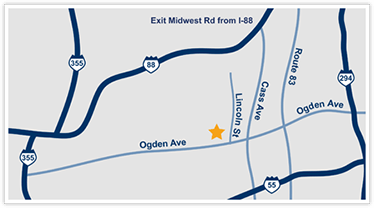
Our Westmont location at 16 W Ogden Ave welcomes sellers Monday through Friday from 9 AM to 6 PM and Saturdays from 9 AM to 4 PM. Call 630-296-9883 to discuss your items or get an estimate before visiting.
Stop letting tarnished items sit unused because of misconceptions about their worth. Whether it’s sterling silver flatware from your parents’ wedding, gold jewelry that’s turned dull with age, or coins that have oxidized in storage, these items maintain value that we’re ready to pay.
Tags: Sterling Silver, Tarnished Metal