The Rarest Autographs in the World: What Makes Them So Valuable?
Only six confirmed signatures from William Shakespeare survive. A signed copy of the U.S. Constitution bearing George Washington’s name sold for $9.8 million in 2012. A single piece of paper can carry decades of meaning and millions of dollars in value. If you’re holding, buying, or evaluating signed memorabilia, understanding what drives that value isn’t optional.
What Makes an Autograph Truly Rare and Valuable
Plenty of obscure figures signed very few things, and those signatures remain essentially worthless on the open market. Real value comes from a combination of factors, each reinforcing the others.
Scarcity and the Number of Known Signatures
The fewer verified examples of a signature that exist, the harder collectors will compete to own one. Supply and demand governs the autograph market just as it does any other. When only six confirmed signatures from a historical figure exist in the world, every auction becomes a battle.
Scarcity can arise in different ways. Some figures died young before signing much publicly. Others rarely participated in fan culture or public appearances. A few historical figures lived in eras when signing one’s name wasn’t tied to celebrity at all. Each scenario produces a different kind of rarity, but the result is the same: extraordinarily limited supply against sustained collector demand.
Historical Significance, Condition, and Authentication
A signature from someone who genuinely shaped history carries weight beyond its physical form. Context matters enormously. A letter signed by a president during a major turning point in history commands a premium that a routine secretarial signature from the same figure never would. Historical significance turns a collectible into a primary source document, raising its cultural standing alongside its market value.
Condition affects value in practical, measurable ways. Fading, water damage, or foxing can slash a signature’s worth significantly, even when it remains legible. Provenance, the documented history of who owned the item and where it came from, adds credibility and supports authentication.
Authentication is non-negotiable in today’s market. A certificate from a recognized third-party grading service transforms a signature from a “probably genuine” curiosity into a verifiable, tradeable asset. Without it, even genuinely rare autographs struggle to command full value.
The Rarest Historical Autographs Ever Recorded
History has produced remarkable figures whose signatures now exist in almost impossibly small numbers. These aren’t just rare autographs; they’re artifacts.
William Shakespeare’s Surviving Signatures
Shakespeare is perhaps the most extreme case in autograph collecting. Only six confirmed examples of his handwriting survive, all on legal documents rather than literary manuscripts. No signed copy of any of his plays or poems is known to exist. The scarcity is so profound that any newly discovered Shakespeare signature would instantly become one of the most significant finds in autograph history.
George Washington and Abraham Lincoln Signed Documents
American presidential autographs represent some of the most actively sought signatures in the collectibles market. George Washington’s signed copy of the U.S. Constitution and Bill of Rights sold for $9.8 million at auction in 2012, illustrating how historical significance amplifies scarcity into something far more powerful than either factor alone.
Abraham Lincoln signed only 48 copies of the Emancipation Proclamation, with far fewer surviving today. One sold for $4.4 million in 2025, based on auction results. Documents tied to defining moments in American history consistently attract the market’s most serious buyers.
Leonardo da Vinci, Queen Elizabeth I, and Albert Einstein
Leonardo da Vinci’s signatures are extraordinarily rare, existing almost exclusively within his notebooks and technical manuscripts. Queen Elizabeth I’s signed documents, while somewhat more numerous given the administrative nature of her reign, carry immense cultural weight rooted in the Elizabethan era’s lasting historical legacy.
Albert Einstein’s autographs sit at an interesting crossroads of scientific history and popular culture. A signed Einstein photograph sold for $125,000 in 2017, while the iconic “tongue” photograph reached $338,630 in 2025, based on auction results. Both figures belong to a category where cultural mythology and genuine historical importance drive prices that would be hard to justify on rarity alone.
The Rarest Autographs in Music and Entertainment
The modern celebrity autograph market runs on emotional connection as much as historical record. When a culturally defining figure is gone, demand intensifies permanently.
John Lennon’s Last Autograph and Kurt Cobain Signed Items
John Lennon’s final autograph is one of the most emotionally charged items in all of music memorabilia. He signed a Double Fantasy album for a fan hours before his murder on December 8, 1980. That autograph sold for approximately $850,000, a price reflecting both the rarity of the signature and its irreplaceable historical context.
Kurt Cobain signed very little publicly during his short life. His reluctance to embrace the commercial side of fame meant that genuinely authenticated Cobain signatures are scarce across every format. That scarcity, combined with his enormous cultural legacy, makes verified Cobain autographs among the most valuable in rock music collecting.
Marilyn Monroe, Jimi Hendrix, Walt Disney, and Steve Jobs
Marilyn Monroe signed prolifically during her career, but authenticated examples remain expensive because of the volume of forgeries in circulation and the perpetual global demand. A baseball she co-signed with Joe DiMaggio sold for $191,200 in 2006, based on auction records.
Jimi Hendrix’s autographs are genuinely rare. His career lasted only a few years at the highest level before his death at 27, and a signed early contract was estimated at up to $200,000 at auction. Walt Disney’s signature is particularly notable because it evolved significantly over time, and early authenticated examples of his personal signature, distinct from the stylized logo version, are genuinely hard to find.
Steve Jobs represents a more recent category of technological icon. A 1983 signed letter sold for $479,939 in 2021, a result that reflects Apple’s cultural dominance and Jobs’s considerable standing in business history.
The Most Valuable Sports Autographs
Sports memorabilia is one of the largest segments of the autograph market. The most valuable autographs belong to players whose signatures are limited in number and whose personal stories carry weight beyond statistics.
Shoeless Joe Jackson, Babe Ruth, and Early Baseball Icons
Discussions of rare baseball autographs almost always start with Shoeless Joe Jackson. Because he was illiterate, his genuine signature is extraordinarily rare, and the few authenticated examples command prices reflecting both scarcity and the complicated mythology surrounding the 1919 Black Sox scandal.
Babe Ruth autographs, while more numerous, remain among the most actively traded rare sports autographs given his status as perhaps the defining figure in American baseball history.
Early-era baseball signatures are particularly vulnerable to forgery, so professional authentication from services such as PSA (Professional Sports Authenticator) or JSA (James Spence Authentication) is essential for any serious buyer.
Muhammad Ali, Tiger Woods, and Athletes Who Rarely Signed
Muhammad Ali spent much of his post-boxing life signing memorabilia extensively, but as his Parkinson’s disease progressed, his signature changed significantly and appearances became less frequent. Early, clean examples from his prime years command considerably more than later tremored versions, and serious collectors understand that distinction well. Tiger Woods has signed far less publicly than most athletes of comparable fame. His reluctance to sign freely keeps supply tight and prices high.
How to Determine What a Rare Autograph Is Worth Today
Figuring out what a signed autograph is worth requires more than a quick online search. Values shift based on several interacting variables.
Recent auction results from established houses such as Sotheby’s, Christie’s, RR Auction, and Heritage Auctions provide the most reliable real-world data. They reflect what buyers actually paid, not what sellers hoped to receive. Condition matters enormously even within the same category: a boldly signed, well-preserved photograph commands more than a faded, trimmed example by the same person. The format itself plays a role, though exceptions exist when a document carries independent historical significance.
Provenance documentation, including prior auction records and a clear chain-of-custody history, adds measurable value. Collectors also pay premiums for strong third-party authentication from services with established reputations, such as PSA, JSA, or Beckett Authentication Services. Autograph values fluctuate with cultural moments, anniversaries, and shifts in collector demographics, so past results should inform decisions rather than determine them.
How to Spot Forgeries and Verify Authenticity Before You Buy or Sell
Forgery is the single greatest challenge in the autograph market. The proportion of fake famous autographs circulating in unregulated channels is substantial enough that due diligence before any transaction is a basic practice.
Examining the physical characteristics of a signature is a reasonable starting point. Ink consistency, pen pressure, and letter formation all provide clues, though the real value is in comparing those details against verified exemplars. Genuine signatures show natural variation; practiced forgeries often have an over-deliberate quality or subtle inconsistencies that become obvious once you know what to look for. The paper or substrate matters too, as anachronistic materials are a reliable red flag.
Professional authentication services employ expert analysts who specialize in specific categories and use forensic ink analysis and ultraviolet examination to verify items. For anything of significant value, a Letter of Authenticity (LOA) from a recognized authority is the cost of doing business responsibly. Treat any famous autograph offered without credible certification with appropriate skepticism. When selling, authenticated items consistently attract more serious buyers and achieve higher prices.
Get a Free Autograph and Memorabilia Appraisal at Americash Jewelry & Coin Buyers
If you’re holding signed memorabilia and wondering what it’s actually worth, professional expertise makes the difference between guessing and knowing. Americash Jewelry & Coin Buyers offers free appraisals for autographs and signed memorabilia, giving collectors a clear, informed assessment of current market value.
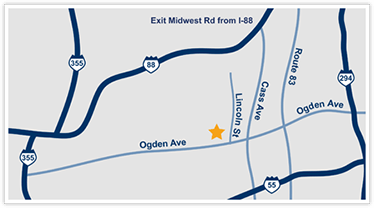
The team serves collectible buyers in Westmont, IL and works regularly with sports memorabilia buyers looking to understand what their items are genuinely worth. Whether you’re considering selling a piece of celebrity memorabilia, assessing an inheritance, or seeking a professional opinion before making a purchase, Americash Jewelry & Coin Buyers provides straightforward, expert evaluation with no pressure and no obligation.