
Sterling Silver vs. Pure Silver: What It Is and How Its Value Is Determined
Sterling silver shows up everywhere, from jewelry boxes to estate sales, yet many people aren’t sure what separates it from pure silver or what makes it worth something. Knowing the basics puts you in a much stronger position if you’re buying, selling, or sorting through an inheritance.
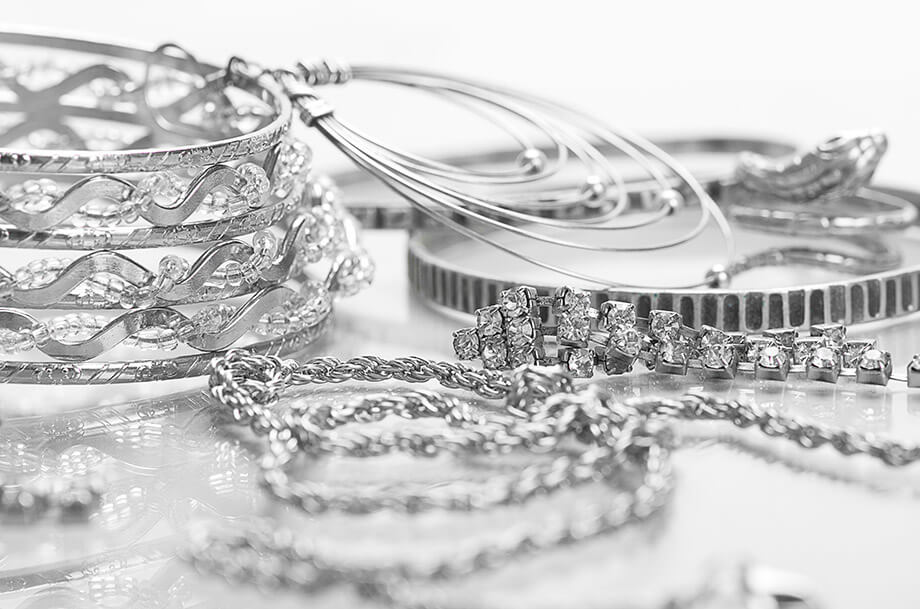
What Is Sterling Silver? Understanding the 92.5% Alloy
Sterling silver is an alloy composed of 92.5% pure silver and 7.5% other metals, most commonly copper. That “925” stamp you see on rings, chains, and flatware reflects exactly that composition. Older pieces may read “Sterling” or “SS” instead. All three hallmarks confirm genuine sterling content.
Unmarked items aren’t automatically worthless. They require professional testing, such as acid testing or XRF analysis, a non-destructive method that identifies metal composition without damage, to confirm what’s there. If you’re unsure about a piece, get a professional estimate before drawing conclusions.
Sterling Silver vs. Pure Silver: Key Differences
Pure silver, also called fine silver, sits at 99.9% silver content. It’s beautiful but soft, which makes it impractical for everyday wear. Sterling silver’s added copper changes the equation significantly.
Durability, Tarnish, and Everyday Use
Sterling is harder and more resistant to bending, scratching, and denting than fine silver. The tradeoff is tarnish: copper reacts with sulfur in the air, producing that dark film that develops over time. Fine silver, with no copper content, tarnishes far less. For those seeking a modern middle ground, Argentium is a branded alloy with improved tarnish resistance, though it remains a niche option in the broader market.
Purity and Metal Value
When you calculate what sterling silver is worth, you’re working from its 92.5% silver content applied to the piece’s total weight, not the full weight alone. Fine silver commands a slight premium per ounce because of its higher purity. Silver-plated items, which carry only a thin coating over a base metal, hold little to no silver value at all. Buyers who don’t know this distinction often walk away with far less than they expected.
| Fine Silver (.999) | Sterling Silver (.925) | Silver-Plated | |
| Purity | 99.9% | 92.5% | Trace only |
| Durability | Low | High | Varies |
| Tarnish Rate | Low | Moderate | High |
| Melt Value | Highest | Significant | Minimal |
| Common Uses | Bullion, coins | Jewelry, flatware | Decorative items |
How Sterling Silver Value Is Determined
Valuation starts with a straightforward formula: multiply the item’s weight by 0.925 to isolate the pure silver content, then apply the current silver spot price, the live market price per troy ounce.
That gives you the melt value. Many sterling pieces are worth more than that. Maker’s marks, brand history from names like Tiffany or Georg Jensen, and overall condition can all push value higher. Collectibility plays a role too. Our team at Americash Jewelry & Coin Buyers evaluates every piece against current market conditions to give you a complete picture.
Selling or Buying Sterling Silver With Confidence
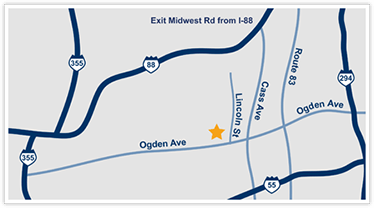
Americash Jewelry & Coin Buyers has operated for 20+ years serving customers throughout the Westmont, Illinois area and the western Chicago suburbs. Our team carries 100+ years of combined experience across silver, jewelry, and coins. Brian the Cashman, recognized through his presence on WGN 720, leads a no-pressure, transparent evaluation process where every item gets careful attention, whether it’s everyday sterling flatware or a branded estate piece.
When you’re ready to sell your silver, we’re here to walk you through the process with clarity and confidence.
Tags: Pure Silver, Sterling Silver